
When Going It Alone Stops Working
There's a quiet efficiency in going it alone — until there isn't. What changes when we stop treating the people nearby as competition and start seeing them as collaborators?
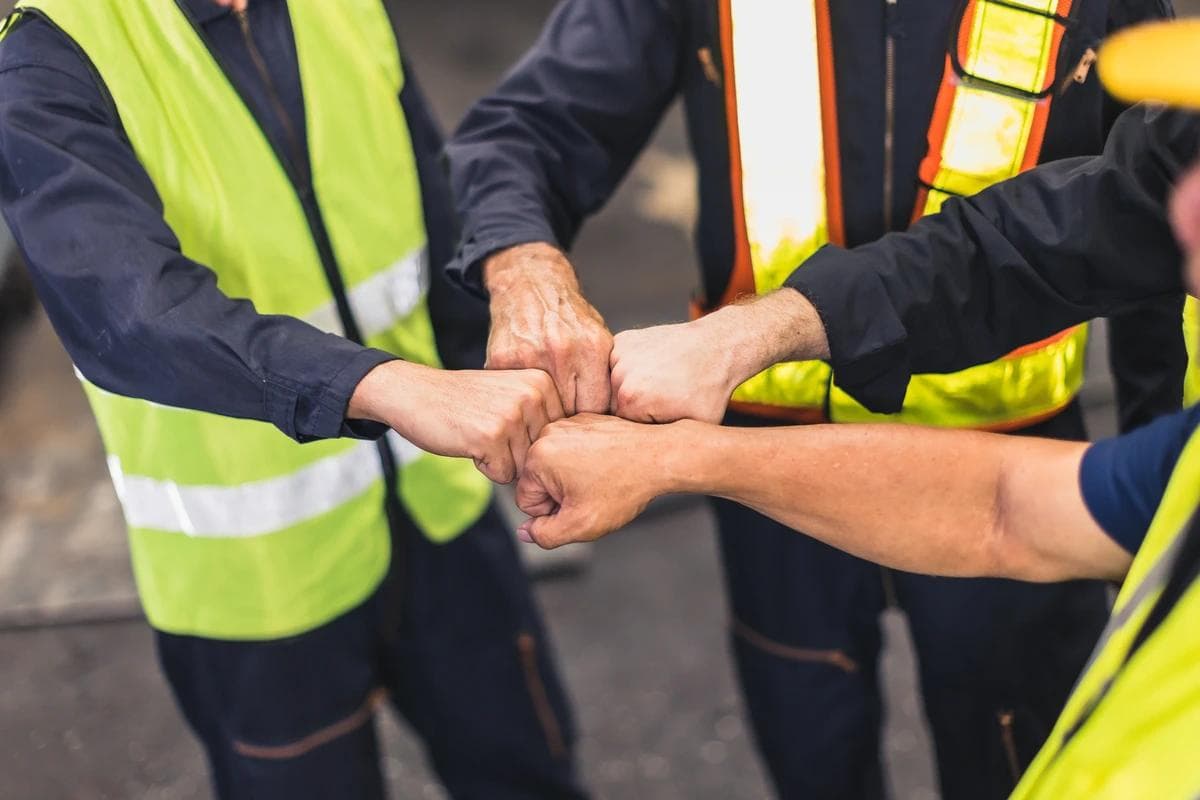
She didn't lose her vision when she invited others in. She found it had more room to breathe.
There's a kind of efficiency that comes from working alone. Decisions move faster. Vision stays clean. You don't have to explain yourself or slow down for anyone else. For a while, it genuinely feels like freedom.
But somewhere along the way, that freedom starts to feel like something else. The clarity you protected begins to narrow. The speed you valued starts to leave people behind. And a quiet question surfaces that's harder to ignore: Is this really working — or am I just working alone?
Isolation has a way of hiding its costs. It can feel like strength. But if we're honest, what it often conceals is a quieter thing — the kind of pride that prefers control to collaboration.
I think of a community organizer I know here in the Mission. She'd spent years building something genuinely good — a network of neighbors looking out for one another, showing up when it mattered. She had a real gift for it. She also had a habit of doing it mostly by herself.
Other organizations worked nearby. Some shared her values almost entirely. But she kept her distance. Collaboration felt like compromise. Coordination felt like competition. So she kept her head down and kept building.
Then the demands of one particularly brutal year became more than one person could hold. She reached out to a neighboring organization, half-expecting awkwardness. What she found instead was relief. They'd been hoping to connect for a long time.
"I thought working together would slow me down," she told me later. "It turned out it was the only way to keep going."
She didn't lose her vision when she invited others in. She found it had more room to breathe.
There's something in that story that points toward a larger truth: we are not built for solitary mission. The people laboring nearby are not competition — they are collaborators waiting to be found. A partnership orientation isn't strategic compromise. It's an honest reckoning with how things actually work. When we pursue relationships built on shared values and honest communication, sustainability increases. Belonging deepens. And the rhythms we build together tend to reflect grace rather than transaction.
Redemptive partnership isn't about sharing results. It's about sharing the journey.
Who is working near you right now that you've kept at arm's length? Perhaps a past collaboration ended badly and the instinct to self-protect makes sense. But consider: what would it look like to build a simple rhythm with just one person whose work runs parallel to yours?
Not a merger. Not a committee. Just a relationship — one honest conversation at a time. The question isn't whether you could do this alone. It's whether alone is actually what the work requires.
In a fragmented city, there is something quietly powerful about people choosing to work with rather than past each other. That kind of unity doesn't just sustain the work. In the end, it becomes part of the testimony.
Discussion