
The City That Fills Every Silence With Something To Do
In a city as fast and optimized as San Francisco, activity has quietly become the assumed purpose of spending time with another person. This article examines how urban pace reshapes how people relate to one another — turning presence into a byproduct of productivity and leaving many people lonely despite full calendars. Drawing on observations from daily life in the city, it argues that genuine attention to the person in front of you is not a passive act but a deliberate, countercultural one — and perhaps the place where connection actually begins.
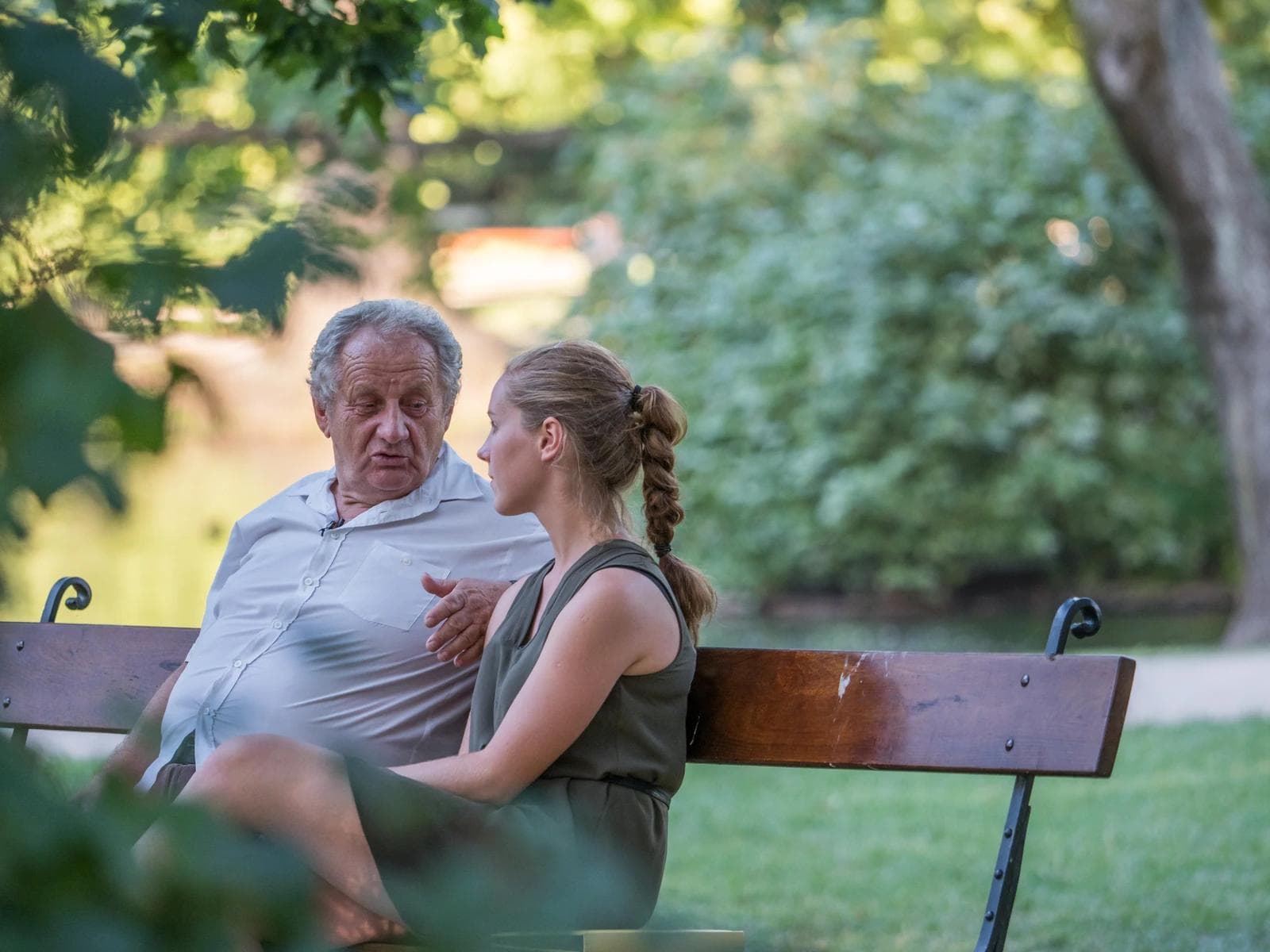
There is a question that surfaces almost every time two people in San Francisco try to make plans. It is so common that most people never notice it. It goes something like this: So what are we going to do?
Not — how are you. Not — what's been on your mind. Just: what are we going to do.
It's a small thing. But it points to something larger about how urban life has quietly reshaped the way we relate to one another. In a city defined by speed, efficiency, and an endless stream of things competing for attention, activity has become the assumed purpose of spending time together. We have started to measure the value of a relationship by what it produces — and without noticing, we've made it very difficult to simply be present with another person.
That confusion has a cost. And it may be larger than most of us realize.
There is a question that surfaces almost every time two people in San Francisco try to make plans. It is so common that most people never notice it. It goes something like this: So what are we going to do?
Not — how are you? Not — what's been on your mind. Just: what are we going to do?
It's a small thing. But it points to something larger about how urban life has quietly reshaped the way we relate to one another. In a city defined by speed, efficiency, and an endless stream of things competing for attention, activity has become the assumed purpose of spending time together. We have started to measure the value of a relationship by what it produces — and without noticing, we've made it very difficult to simply be present with another person.
That confusion has a cost. And it may be larger than most of us realize.
When Activity Becomes the Point
Multitasking is not just a habit in cities like San Francisco — it is a cultural value. Time is finite, demand is constant, and optimizing both has become a kind of literacy. That mindset is useful in a lot of contexts. But it follows us into our relationships, and there it starts to cause problems.
When we approach people the way we approach a to-do list, we begin to evaluate relationships by their return on investment. Is this conversation worth the time? What did we actually accomplish? The benefit of knowing someone gets weighed against the cost of being with them. And slowly, without intending to, we reduce the people in our lives to what we do with them rather than who they are to us.
The result is a particular kind of loneliness — one that can exist even in a full calendar. You can spend time with people constantly and still feel unseen. You can be busy together without ever really being present with each other.
What Presence Actually Requires
Presence is not the absence of activity. It is a different orientation toward the person in front of you — one that treats them as the point rather than the context.
It begins with something simple: a deliberate decision to focus on the other person. Not on what comes next, not on what you're going to say, not on how the conversation might be useful. Just — who is this person, and what do they actually need right now?
That sounds straightforward. In practice, in a city moving at San Francisco's pace, it is one of the harder things to do.
The Third Person in Every Conversation
There is a perspective on human encounter that changes the way presence feels. It holds that when two people meet, something larger is already at work in both of their lives — that each person's story is unfolding within a purpose that precedes and exceeds the conversation itself. Which means that before asking what should we do together, there is a prior question worth sitting with: what is already happening here, and am I paying attention to it?
This posture — attentive, unhurried, curious about the other person's inner life — is not passive. It is its own kind of work. It requires setting aside the instinct to produce, to fix, or to fill the silence. It asks you to listen before you respond, and to care before you advise.
In a city that rewards output, that is a countercultural act.
Why It Matters Here
San Francisco is, by many measures, one of the loneliest cities in the country. It is also one of the most connected. The gap between those two facts is worth sitting with. We have proximity without presence, contact without depth, networks without belonging.
Genuine presence does not, by itself, solve that gap. But it may be the place where the solution begins — in the decision, made one conversation at a time, to treat the person in front of you as worth your full attention.
Not because of what they might offer. Not because of what you might accomplish together. But simply because they are there, and so are you, and that turns out to be enough.
Discussion